In many cases, the carpet fibres look completely normal while moisture sits trapped in the underlay or subfloor beneath. By the time staining or odour appears, the issue may already be advanced. If you have ever wondered why your carpet smells unusual it could be Mould Under Carpet, you may also find this helpful: Why Is My Carpet Giving Off Awful Smells? https://www.carpetprocleaning.co.uk/why-is-my-carpet-giving-off-awful-smells/
Hidden moisture is often the starting point.
How Does Mould Under Carpet Develop ?
Mould needs three main conditions:
- Moisture
- Limited airflow
- Organic material
Carpets and underlay naturally provide organic material. Moisture usually comes from:
- Leaks
- Flooding
- Spills not dried properly
- Over-wetting during DIY carpet cleaning
- High indoor humidity
If moisture remains trapped for more than 24–48 hours, the risk increases significantly.
Why You May Not See It Straight Away
Surface fibres can dry while the underlay remains damp underneath. This is especially common after:
- Heavy DIY cleaning
- Water spills
- Poor ventilation
- Cold weather with limited airflow
Because airflow beneath carpet is restricted, moisture can remain trapped for days.
Mould often begins growing underneath first – out of sight.
If you are concerned about the wider health risks of contaminated carpets, you may also want to read:
Risks of Dirty Carpets – And How to Keep Your Home Safe in Wallasey
https://www.carpetprocleaning.co.uk/is-your-dirty-carpet-making-you-ill-signs-you-need-a-deep-clean/
Possible Warning Signs
Even when mould is hidden, you may notice:
- A persistent musty smell
- Carpet feeling slightly damp or cool
- Darkening near skirting boards
- Allergy symptoms worsening indoors
- Stains reappearing after cleaning
Not every damp carpet contains mould, but prolonged moisture should never be ignored.
Health Considerations
Mould spores can contribute to:
- Respiratory irritation
- Allergic reactions
- Asthma flare-ups
- Headaches in sensitive individuals
If you are also dealing with mould on furniture, we covered this in:
Is Mold on Your Couch Dangerous? What You Need to Know
https://www.carpetprocleaning.co.uk/is-mold-on-your-couch-dangerous-what-you-need-to-know/
The same principle applies – moisture plus organic material creates risk.
Why DIY Cleaning Can Increase the Risk
Rental machines often apply more water than they extract. Without strong vacuum recovery and proper drying, moisture can settle into the underlay.
If carpets stay damp for too long, especially in poorly ventilated rooms, mould can begin developing beneath the surface.
Professional deep extraction uses controlled pressure, strong vacuum recovery and correct drying methods to reduce this risk.
If you are unsure whether professional cleaning is worth it, you may also find this helpful:
Is it worth getting carpets cleaned?
https://www.carpetprocleaning.co.uk/is-it-worth-getting-carpets-cleaned/
Professional Assessment Before You Replace
Not every damp carpet needs replacing. In many cases, professional deep extraction and proper drying can resolve the issue before mould spreads further.
However, there are situations where replacement may be the safer option – especially if the underlay or subfloor has been severely affected.
If you are unsure, I can professionally assess the condition of your carpet and advise honestly whether:
- Deep cleaning is sufficient
- Restoration is possible
- Or replacement is the better long-term solution
The goal is not to sell a service you do not need, but to provide clear, professional guidance based on the actual condition of your flooring.
If you are based in Wallasey or anywhere on Wirral and concerned about damp or mould under your carpet, early assessment can prevent unnecessary costs later.
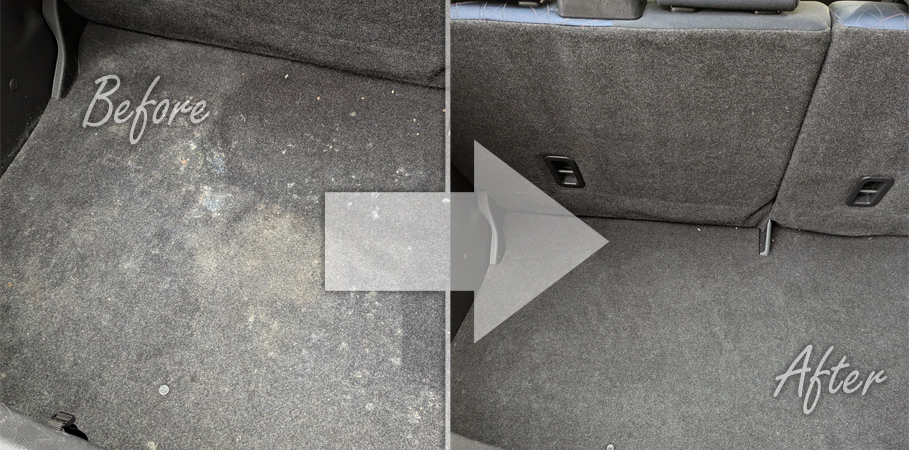
How We Remove Mould From Car Upholstery and Carpet Backing
Mould is not limited to household carpets. It can also develop in vehicle interiors, especially when moisture becomes trapped inside the car.
We commonly see mould on:
- The back of car seats
- Under floor mats
- Boot carpet areas
- Rear seat upholstery
This often happens after:
- Wet clothing left in the vehicle
- Water leaks through door or window seals
- Flooded footwells
- Poor ventilation
Removing mould requires more than surface wiping. It must be treated properly to prevent regrowth.
Our process includes:
- Careful inspection of the affected areas
- Targeted cleaning to remove visible contamination
- Use of enzyme-based cleaning solutions to break down organic contamination at fibre level
- Deep extraction to remove embedded moisture
- Application of appropriate antimicrobial treatment where necessary
- Controlled drying using professional air movers and a dehumidifier
Enzyme-based chemicals are particularly important because mould feeds on organic matter. Breaking down this contamination at fibre level helps remove the source rather than just cleaning the surface.
After cleaning, moisture control is critical. Using a dehumidifier ensures that the upholstery or carpet backing dries properly. Without proper drying, mould can return.
The same principles apply to carpets inside the home. If moisture has reached the underlay or backing, professional extraction combined with controlled drying is essential to prevent further growth.
If you are dealing with mould in your vehicle or suspect damp under your carpet at home, professional assessment ensures the problem is treated correctly rather than temporarily hidden.
Conclusion
Mould can grow under your carpet without being immediately visible, especially when moisture is trapped in the underlay or subfloor. Ignoring dampness or relying on surface drying alone can allow the problem to develop further.
The key is early action. Proper extraction, controlled drying and professional assessment can often prevent long-term damage and unnecessary replacement.
If you suspect moisture beneath your carpet, it is always safer to have it checked properly. Acting early protects your flooring, your home environment and your health.