Many customers in Wallasey and across the Wirral ask the same question when booking a professional clean: is hot water extraction better than dry carpet cleaning? This article explains hot water extraction vs dry carpet cleaning based on real, hands-on experience from cleaning carpets and upholstery in real homes.
After expanding my services from Wallasey into the Wirral, I have seen clear differences between how carpets are marketed to be cleaned and how they actually need to be cleaned in everyday households.
My Experience Cleaning Carpets in Wallasey and the Wirral
When I started offering carpet and upholstery cleaning across the Wirral, I was surprised by how many professional cleaners relied mainly on dry carpet cleaning.
At first glance, dry carpet cleaning sounds appealing. It promises quick drying times and minimal disruption. However, in reality, this method does not match how most households look after their carpets.
Most of my customers book professional carpet cleaning once a year, or sometimes even less often. Because of this, carpets are usually far more than lightly soiled by the time I arrive.
How Often Carpets Should Really Be Cleaned
Ideally, carpets should be professionally cleaned every 3 to 6 months. This level of maintenance prevents heavy dirt build-up and helps carpets stay hygienic.
In reality, many homes in Wallasey and the Wirral go well beyond six months without a professional clean. As a result, dirt, residues, and stains settle deep into the carpet fibres.
After six months or more, carpets usually contain:
- Ground-in dirt from daily foot traffic
- Residues left behind by previous cleaning products
- Stains that have had time to bond with the fibres
At this stage, surface cleaning is no longer enough.
What Happens When Carpets Are Left Too Long
Over time, everyday spills mix with dirt and old cleaning residues. Because of this, many stains become more complex and harder to remove.
These are known as compound stains.
Compound stains are made up of more than one substance. Most often, they include:
- Oils and grease from food
- Protein-based materials such as milk, sauces, or pet accidents
- Dyes from drinks like tea, coffee, or wine
For example, a dropped meal, muddy shoes, or a spilled drink usually creates a stain with several layers. Once these layers settle, simple cleaning methods struggle to remove them.
More detail is available here:
https://www.carpetprocleaning.co.uk/compound-stain-removal/
Why Compound Stains Need Deep Cleaning
Compound stains do not respond to a single cleaning step. Instead, they need a structured, multi-stage approach.
First, oils and grease must be broken down. Then, organic material needs correct treatment. Finally, heat and extraction flush everything out of the carpet fibres.
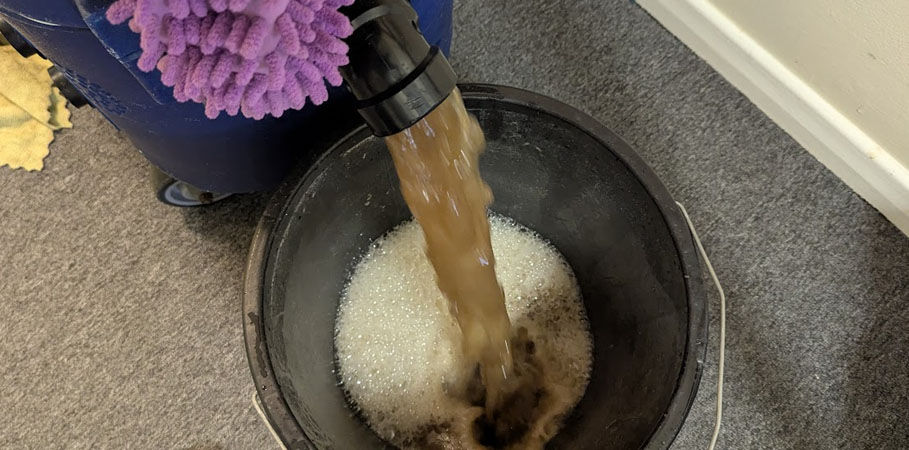
Dry carpet cleaning cannot do this properly. It does not reach deep enough, and it cannot rinse contaminants away. Because of this, residues often remain in the carpet.
A Simple Way to Understand the Difference
A simple comparison helps explain hot water extraction vs dry carpet cleaning.
Using dry carpet cleaning instead of hot water extraction is like using wet wipes instead of taking a proper shower after a long day.
Wet wipes can improve surface appearance. However, they do not remove deep dirt or restore hygiene. A shower, using water and proper cleansing, does exactly that.
In the same way, dry carpet cleaning may freshen the surface. Hot water extraction cleans deep into the fibres and removes what you cannot see.
Why I Always Use Hot Water Extraction
Because of how carpets are actually used in real homes, I always use hot water extraction cleaning.
This method allows dirt, residues, and stains to be flushed out of the carpet fibres rather than left behind.
When comparing hot water extraction vs dry carpet cleaning, the difference between deep cleaning and surface cleaning becomes very clear.
Hot water extraction:
- Cleans deep into the carpet pile
- Deals effectively with compound stains
- Removes residues from previous cleaning attempts
- Delivers cleaner, fresher, and longer-lasting results
For customers in Wallasey and the Wirral who clean carpets once a year or less, this level of cleaning is essential.
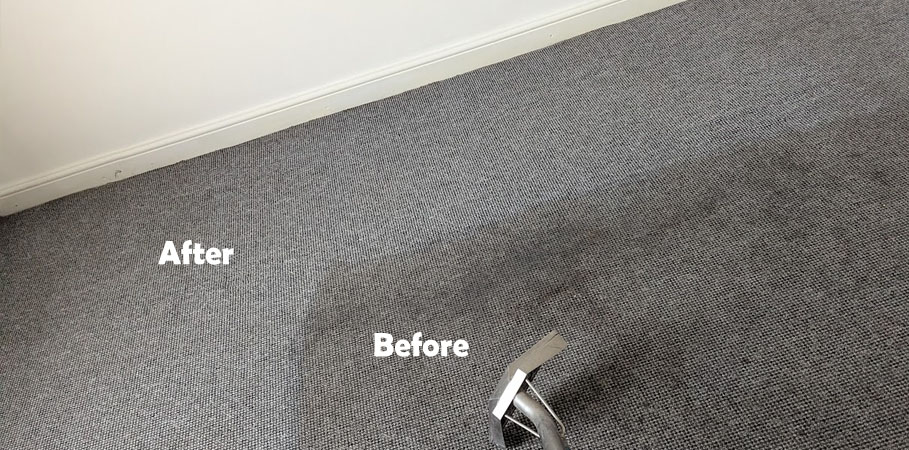
Why Hot Water Extraction Is Essential for Contaminated Carpets and Upholstery
When carpets or upholstery become contaminated rather than just dirty, hot water extraction is the only responsible cleaning method.
Contamination includes pet accidents, bodily fluids, food spills, and long-term organic build-up. These substances soak deep into carpet backing and upholstery padding.
Dry cleaning methods cannot remove this type of contamination. Instead, they often leave bacteria, odour sources, and residues behind.
Pet Stains and Odours Need Deep Extraction
Pet urine and odours are common problems in homes across Wallasey and the Wirral. Unfortunately, these issues do not stay on the surface.
Urine soaks deep into fibres and underlay. Because of this, surface cleaning never solves the problem properly.
Hot water extraction, combined with correct pre-treatment and enzymatic solutions, removes both the stain and the source of the odour.
More information is available here:
https://www.carpetprocleaning.co.uk/how-do-i-get-pet-stains-and-odour-out-of-the-carpet/
Blood and Bodily Fluid Stains Must Be Treated Correctly
Blood stains are protein-based and react badly to incorrect treatment. If handled wrongly, they can permanently bond to carpet and upholstery fibres.
With hot water extraction, the cleaning process remains controlled. This allows safe breakdown of the stain and full removal of residues.
More details can be found here:
https://www.carpetprocleaning.co.uk/blood-stain-removal-in-wallasey/
Professional Stain Removal for Carpets and Upholstery
Some stains need specialist knowledge and professional products. In these cases, correct stain identification is just as important as the cleaning method.
Professional stain removal protects carpets and upholstery while delivering better results.
More information is available here:
https://www.carpetprocleaning.co.uk/professional-stain-removal-services-for-carpets-upholstery/
Does Hot Water Extraction Take Long to Dry?
Many people worry about drying time. However, when hot water extraction is done properly, carpets do not stay wet for long.
Modern equipment removes most of the moisture during cleaning. In addition, drying is supported with professional air movers and fans. As a result, carpets usually dry within hours and are ready to use the same day.
More detail is available here:
https://www.carpetprocleaning.co.uk/quick-drying-carpet-cleaning-in-wallasey/
Quick Drying Upholstery and Sofa Cleaning
The same approach applies to upholstery and sofa cleaning. Moisture is carefully controlled, and air movers are used to speed up drying.
Because of this, sofas dry quickly without the risk of over-wetting.
More information is available here:
https://www.carpetprocleaning.co.uk/quick-drying-after-sofa-cleaning/
Is Dry Carpet Cleaning Ever Suitable?
In some situations, dry carpet cleaning can work as a light maintenance option. This usually applies to commercial environments where carpets are cleaned very frequently.
However, for most homes in Wallasey and the Wirral, dry carpet cleaning should not replace deep carpet cleaning.
The Best Carpet Cleaning Choice for Wallasey and Wirral Homes
From professional experience, hot water extraction remains the most effective carpet cleaning method for residential properties.
It delivers deeper cleaning, better hygiene, and faster drying than many people expect. Most importantly, it removes the dirt and contamination that surface methods leave behind.
Have More Questions About Carpet and Upholstery Cleaning?
If you have any questions about carpet cleaning, upholstery cleaning, stain removal, or drying times, I am always happy to help.
Many common questions are answered here:
https://www.carpetprocleaning.co.uk/frequently-asked-questions/
If you cannot find the answer you are looking for, feel free to get in touch for honest, professional advice.
We cover: Wirral and surrounding areas including: Wallasey, New Brighton, Liscard, Seacombe, Moreton, Leasowe, Birkenhead, Greasby, Upton, Bebington, Bromborough, Heswall, Hoylake, West Kirby, Prenton, Oxton, and nearby locations.